
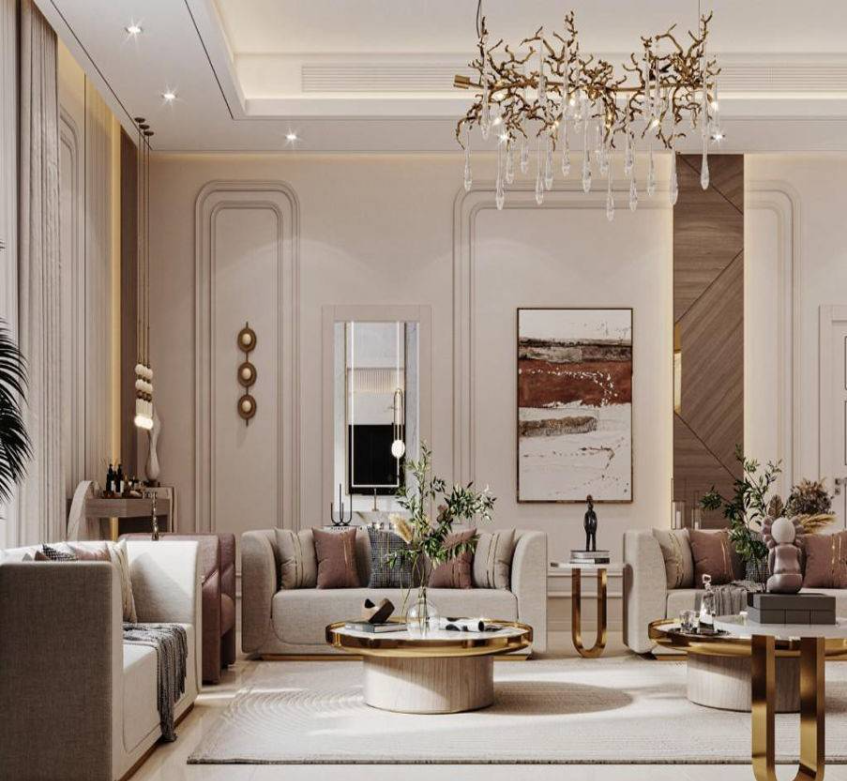
A workspace that drains energy instead of fueling focus creates an invisible barrier to achieving daily goals. Color choices, lighting placement, and furniture arrangement directly shape mental clarity and work output. The connection between physical surroundings and performance runs deeper than surface aesthetics. Good interior design Dubai shapes workflow, mood, and cognitive function throughout the working hours. This article explores 5 ways interior design affects productivity levels.
Lighting sets the rhythm:
Natural light exposure regulates the body’s internal clock and keeps energy levels steady during work hours. Workstations positioned near windows receive daylight that reduces eye fatigue and supports alertness. Artificial lighting with adjustable brightness allows illumination to match specific tasks and times of day. Dim or harsh overhead lights create unnecessary strain that slows down reading and writing speed. Proper lighting design maintains consistent visual comfort and prevents the afternoon slump from taking over.
Color psychology influences mood:
Wall colors and decorative accents trigger psychological responses that affect work performance. Cool blues and greens promote concentration and calmness for analytical tasks requiring deep focus. Warm tones like soft yellows encourage creative thinking and brainstorming sessions with teams. Neutral backgrounds reduce visual distraction and allow attention to settle on work materials. Accent colors placed strategically draw eyes toward priority areas or inspiring visual elements. Color choices in interior design shape emotional states and mental readiness for different work activities.
Furniture arrangement supports movement:
Fixed seating positions lead to physical discomfort that distracts from work tasks. Adjustable desks and chairs allow changing postures throughout the day to maintain blood circulation. Open floor plans with varied seating options encourage short movement breaks between tasks. Standing workstations offer alternatives to prolonged sitting and keep energy flowing naturally. Furniture placement creates pathways that support easy access to supplies and collaboration spaces. Physical comfort directly links to sustained attention and reduced fatigue during long work sessions.
Clutter reduction clears mental space:
Visual disorder consumes cognitive resources and competes for attention during work activities. Organized surfaces reduce the mental effort required to locate tools and documents quickly. Storage solutions keep necessary items accessible while removing irrelevant objects from sight lines. Clean workspaces allow the brain to process information without processing environmental chaos simultaneously. Regular tidying routines maintain the clarity that supports efficient task execution. Visual simplicity in interior design creates room for productive thought processes.